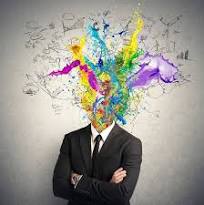
Writer William James made the discovery: “Belief in a fact can help create a fact.” He believed that even if the fact itself is false, by believing it we can make it true.
Developing your concept and uniqueness in art is a process that takes time, creative self-reflection, and experimentation. Here are some steps that may help:
- Explore your inspiration: Explore different styles and themes in art that inspire you. These can be both classical masters and modern artists.
- Observe the world around you: Notice the unique aspects of life, culture, nature, etc. Inspiration can come from the most unexpected sources.
- Experiment: Don’t be afraid to experiment with different techniques, materials, and themes. This will help you discover your style and approach to art.
- Be Authentic: Try creatively expressing your feelings, ideas, and unique world views. This will help you create unique works.
- Keep Evolving: Always strive to improve and develop your art. Participate in exhibitions, communicate with other artists, and accept feedback.
There is a famous quote from Picasso:
“Every child is an artist. The problem is how to remain that way when we grow up.”
Let’s look at some strategies for bringing the ideas in your head to paper or canvas.
- Are you confident in your skill level?
This is the key to achieving your goal.
If you can’t draw or draw it from a photo or live observation, you certainly can’t do it from memory or imagination. However, it is important to understand that skill level is not solely determined by your skill level. Confidence in your skills also involves a deep understanding of artistic concepts and techniques, as well as the ability to adapt and innovate. For example, artists with advanced skills may still struggle to realize their ideas if they lack creativity or willingness to take risks.
Regular practice (see my classes), drawing from observation, and learning the elements and principles of art and composition are essential to any work of art. Additionally, exploring a variety of styles, experimenting with different media, and seeking inspiration from a variety of sources can help expand your skills and build confidence in your artistic abilities.
Skill level influences not only our technical prowess but also our creative vision and problem-solving abilities. Artists with a higher level of skill may have an easier time turning their ideas into tangible works of art because they have the skills to effectively execute their vision. However, even artists with limited technical skills can create compelling and meaningful works of art by embracing their unique perspectives and honing their creative intuition. Ultimately, it is the combination of skill, creativity, and passion that allows artists to bring their imagination to life on paper or canvas.
2. Can you work with sketches and image references to bring your concept to life?
In the early stages of artistic expression artists often focus on honing their skills by copying objects, people, and environments from life and photographs. While this approach is useful for developing your skills, it is equally important to explore alternative methods for visualizing concepts.
For example, you can experiment with collage techniques to generate new ideas and explore complex themes. I started using this strategy when I took a course on writing and creating a graphic novel. Combining elements was one way to plan out the many compositions you need on each page of your comic.
Collage allows you to combine different elements to create visually appealing compositions. By combining images from different sources, you can convey nuanced perspectives and invite viewers to engage with your work on multiple levels.
The next time you’re faced with a creative challenge, don’t be afraid to think outside the box and experiment with unconventional methods or materials you’ve never explored. You might be surprised at how easy it becomes to communicate your ideas.
3.Have you explored concepts through experiments and games?
Even with all the skills available to us, translating the vivid images in our minds onto paper or canvas can still be a challenge.
True mastery of art often results from a combination of skill, passion, and research. Instead of focusing solely on drawing from memory, embrace experimentation and play as vital components of your creative journey.
4.Is it really a matter of imagination?
A lot of the conversations around art are: Can I achieve a certain level of realism? Can I draw a dog and make it three-dimensional on this flat surface when someone immediately asks me to draw it?
how can you infuse your creative practice with experimentation and play? Start by stepping outside your comfort zone by trying new materials, techniques, and objects. Give yourself the freedom to make mistakes and learn from them. Whether it’s drawing, painting, or sculpting, experience the joy of discovery and let your imagination run wild.
By developing your curiosity and passion, you will not only expand your artistic horizons but also discover new depths of creativity within yourself.
Now, if you say you want to draw from your imagination because you think that’s the measure of success, but you don’t know what you want to explore, you’re missing some steps.
Regular practice, skill development, constant exposure to art, and exploration of different concepts and media will help you find your path.
To become a successful and wealthy artist, it is also important to develop entrepreneurship and marketing skills in addition to the creative process. Strategically promoting your work through social media, exhibiting at trade shows, and networking with peers in the industry can help you achieve recognition and commercial success.
Tips on how to increase your creativity were taken of the artist Carrie site.
And remember: proudly call yourself an artist.
Until next time,
Artist Nata Shemshur
https://www.natashemshur.com https://www.instagram.com/artnatashemshur/
https://linktr.ee/ArtNataShemshur
#artist #art #artcollector #artpainting #artgallery #artist #artfair #artnatashemshur #artexhibition #artpromo

 Art is life
Leave a comment