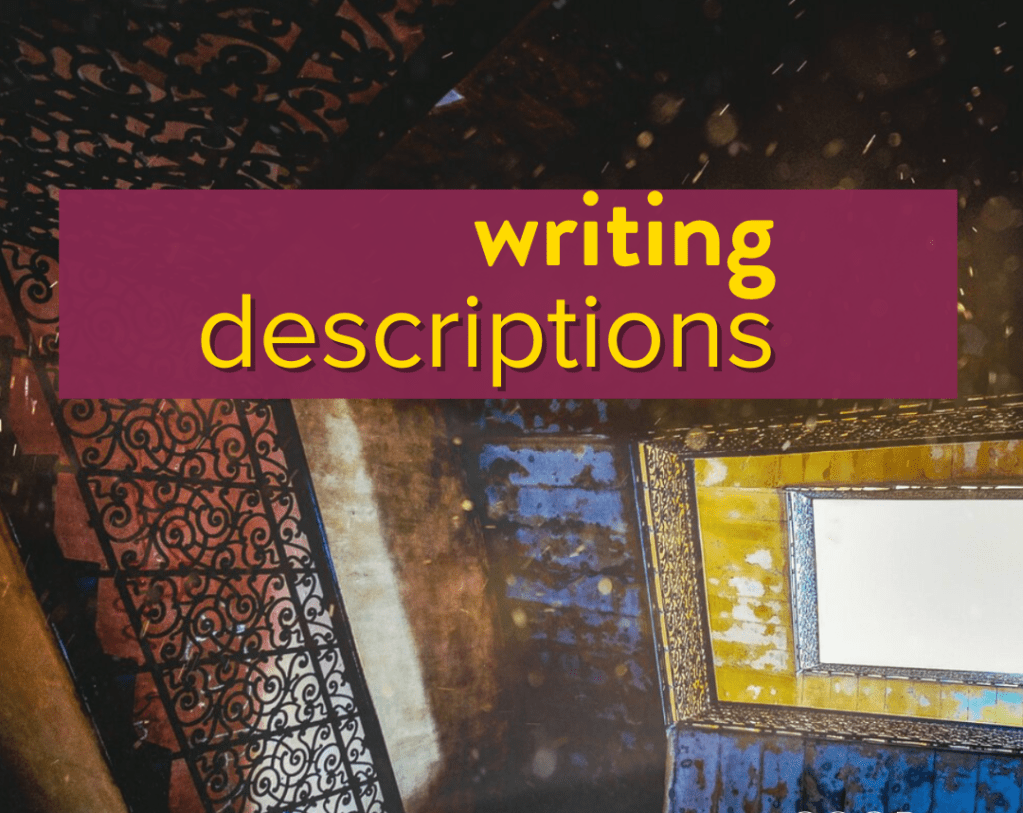
In art, the visual display is often the main attraction. However, the quality of an art description can’t be overlooked. An artwork description functions as a link between the art piece and the viewer, which gives the viewer an idea of its meaning, context, and emotion. No matter if you’re a visual artist, curator, or gallery owner, knowing how to write effective artwork descriptions is a key skill that allows you to connect with the audience and communicate the real message of the piece.
Key Elements of an Effective Artwork Description
1. Captivating Introduction: Commence with a captivating opening that hooks the reader from the start and sets the context for the remainder of the description. Consider combining curious details about the artwork’s origin or meaning.
2. Detailed Visual Analysis: Conduct thorough research on the visual elements of the painting. Talk about colors, textures, sizes, shapes, and other features elaborately.
3. Contextual Information: Give some information about the artist, art movement or style, and the historical or cultural background. Such specifics make pictures vivid and enrich the perception of viewers.
4. Emotional Connection: Expound your feelings about the art piece or invite the viewer to reflect on their emotions in regards to the artwork. Use descriptions to evoke emotions, atmosphere, and sentimentality.
5. Interpretive Analysis: Intentionally engage the viewers to critically examine the artwork provided with additional information. Research the theme, symbolism, and message buried in the artist’s work. Advice your viewers to search for the core of the art piece.
6. Concise Description: On the one hand, it is critical to provide complete details without at the same time overload of information. Keep the description succinct and to the point, mentioning the most notable element of the work of art.
7. Engaging Language: Write with clearness, imagination, and feelings. Utilize the power of vivid description, metaphors, and sensory perception to transmit the work of art to the reader’s mind’s eye. Seek to generate a story that will link the audience through a cognitive process.
Tips for Writing the Perfect Artwork Description
1. Know Your Audience: Tailor your description to appease the needs and preferences of your target market. Consider the level of art awareness, their cultural background, and their probable willingness to interact with the artwork.
2. Use Descriptive Language: Use words that create a vivid picture in the reader’s mind. Make them perceive the painting through your eyes. Make use of descriptive language that will attract both the emotional and the visual senses of the reader.
3. Be Authentic: Humanize your personality traits in your description as much as possible. Be sincere and share what you feel, rather than just repeating the clichés or the textbook phrases.
4. Edit and Revise: Check the description for clarity, flow, and errorless grammar. Get rid of any language that is not necessary or that distracts your readers from the real message you want to convey. Strive for precision and simplicity in your language.
5. Seek Feedback: Don’t hesitate to consult your peer, mentor, or anyone who you trust. Their involvement will be essential in polishing the artist’s description so that it depicts the feeling of the artwork.
Frequently Asked Questions
How do you describe a good artwork?
Give the work’s formal components—line, medium, color, light, space, composition, and style—your complete focus. What impression do they leave on the observer, and how do they relate to the entire piece? Take into account the artist, the time, the place, and the historical backdrop of the piece.
How do I write my art description?
Start by outlining the inspiration behind your work, whether it was a historical occasion, a particular person, a singular experience, or just something that caught your attention. Don’t merely state that you were inspired by something; instead, describe how the event affected every aspect of your design, including the lighting, shadows, and color scheme you used.
Conclusion
Writing an excellent art description is part art and part science. There is an equal requirement for creative, insightful, and precise thinking. By practicing on the issues that are mentioned above and following the tips provided, you could end up with descriptions that are captivating and inspiring, hence enriching the viewers´ experience of art and enhancing their appreciation for the art world.
Did you like the article? Support with like and subscribe! Thank you.
Until next time,
Artist Nata Shemshur
https://www.natashemshur.com
https://www.instagram.com/artnatashemshur/
https://linktr.ee/ArtNataShemshur
⭐⭐⭐⭐⭐Рейтинг: 5 из 5.
Оставьте комментарий
Опубликовать комментарий…

комментарий
#artist #art #artcollector #artpainting #artgallery #artist #artfair #artworkdescription
Art Nata Shemshur

 Art is life
Leave a comment